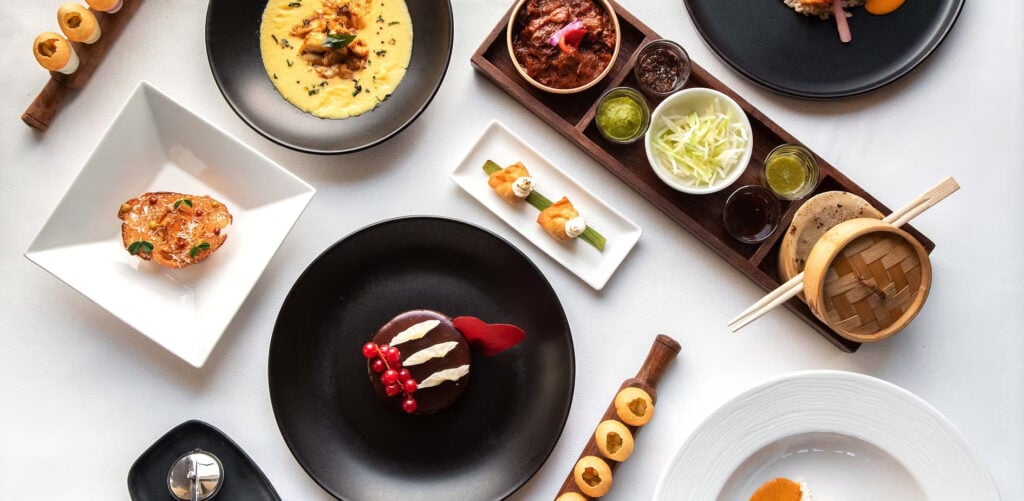
India’s restaurant scene is no longer just about eating out. It has become a world of tasting menus, intimate rooms, storytelling on the plate, and experiences that feel as carefully designed as luxury hotels. Vogue notes that curating a list of the country’s best fine-dining restaurants has become increasingly difficult because new names keep emerging while older favorites continue to thrive, and diners are now willing to spend more for taste, service, ambience, ingredients, and the full experience.
That evolution is also reflected in the way the country’s top restaurant rankings are built. Condé Nast Traveller’s 2025 awards drew from a shortlist of 1,000+ restaurants, with a 100-member jury voting in two rounds to choose the top 50, and Mumbai, Delhi NCR, and Bengaluru leading the country’s restaurant map. In that list, The Table, Mumbai ranked #1, Masque #2, and Papa’s #3.
The restaurants setting the standard
India’s best restaurants are not defined only by luxury or exclusivity, they stand out because each one has a clear identity, philosophy, and experience. Below are the names shaping the country’s modern fine-dining scene, each offering something distinct.
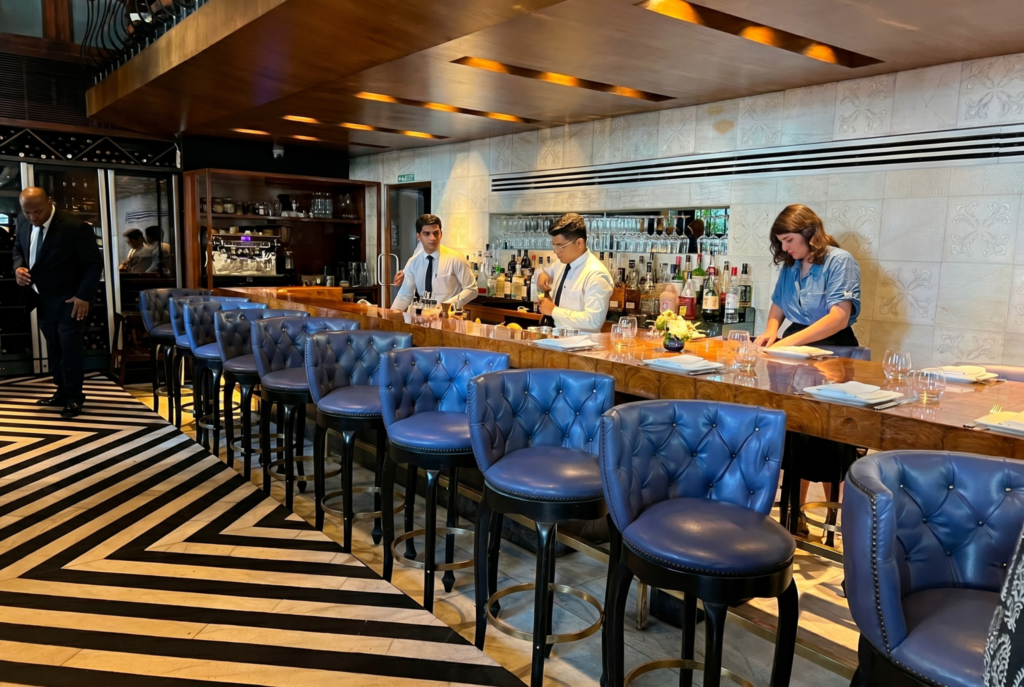
• The Table – Mumbai
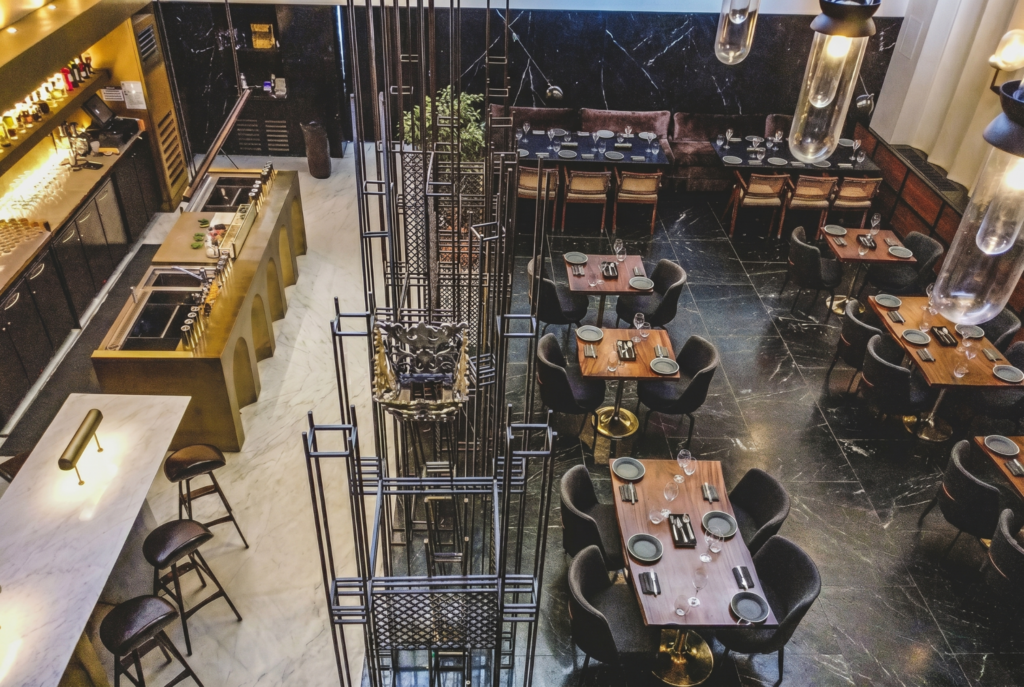
A pioneer in Mumbai’s modern dining scene, The Table blends global cuisine with a refined yet relaxed atmosphere. It is known for its consistency, ingredient quality, and a menu that balances sophistication with accessibility, making it one of the most loved fine-dining spots in India.
• Masque – Mumbai
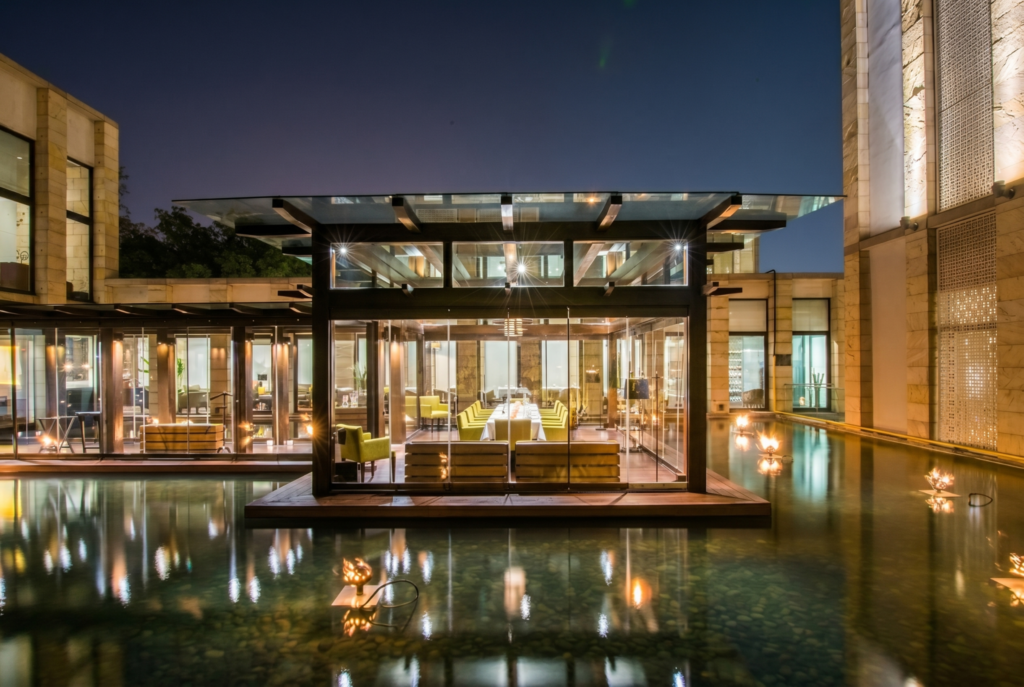
Often considered India’s most progressive restaurant, Masque is built around hyper-local ingredients and seasonal storytelling. Its multi-course tasting menus (often 10+ courses) take diners on a journey across India’s landscapes, reimagined through modern techniques.
• Indian Accent – New Delhi & Mumbai
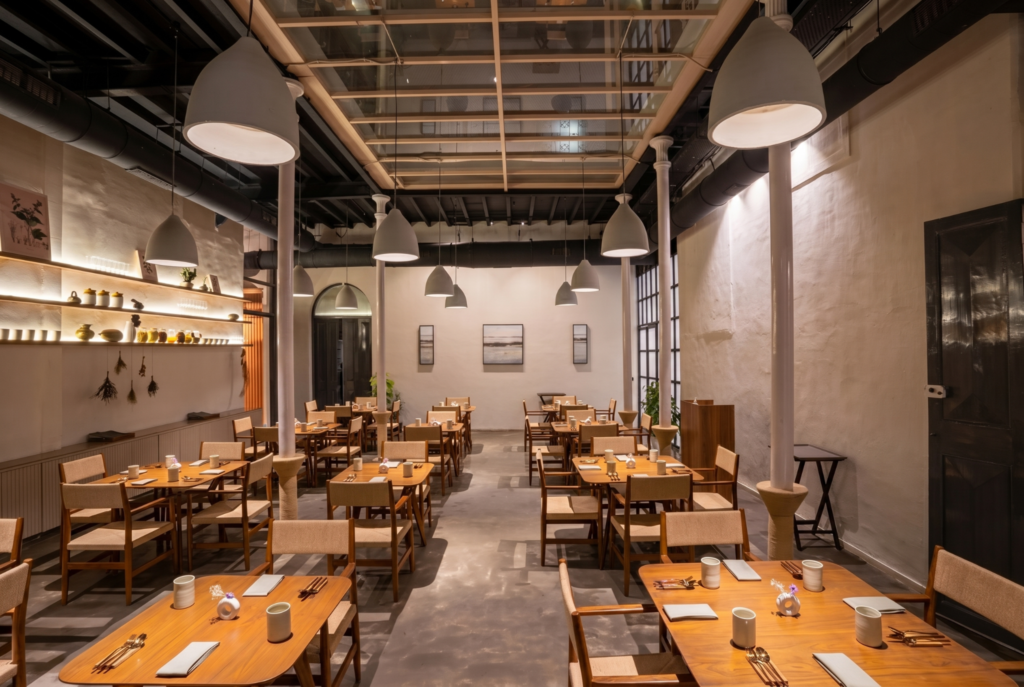
A global ambassador of modern Indian cuisine, Indian Accent reinvents traditional flavors with creativity and precision. It is known for iconic reinterpretations of classic dishes, offering a perfect balance between nostalgia and innovation.
• Ekaa – Mumbai
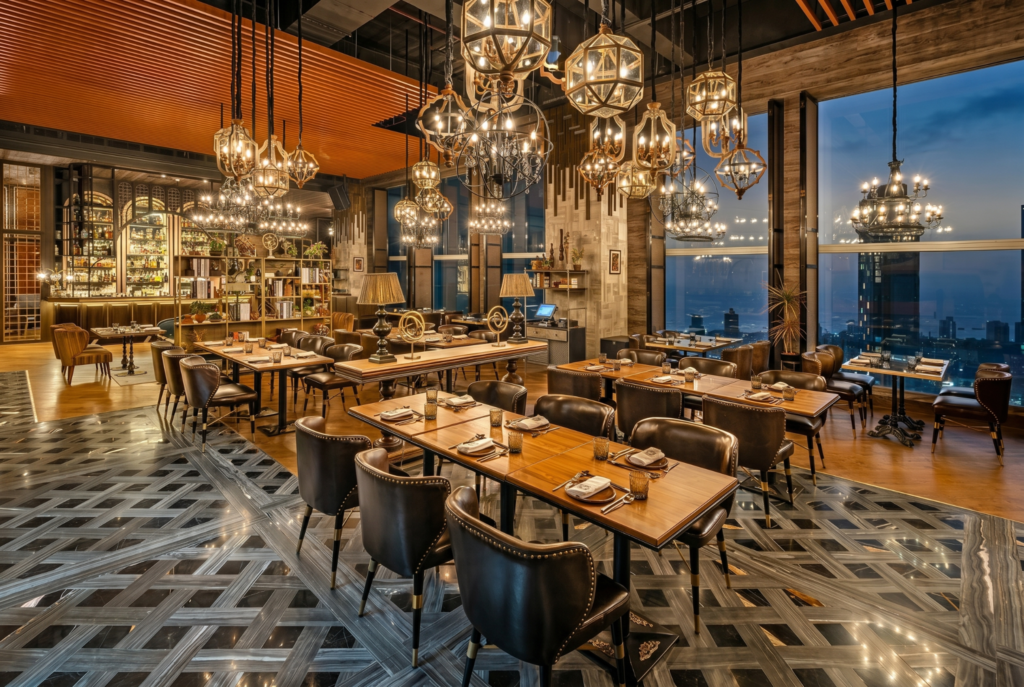
At Ekaa, the focus shifts to ingredients as the hero. With an 11-course tasting menu, the restaurant emphasizes purity, minimalism, and a deep respect for produce, delivering a thoughtful and almost philosophical dining experience.
• Koishii – Mumbai
Koishii offers a refined Japanese-Peruvian fusion, with its standout omakase experience. Precision, technique, and presentation define the experience, making it one of the most unique culinary offerings in India.
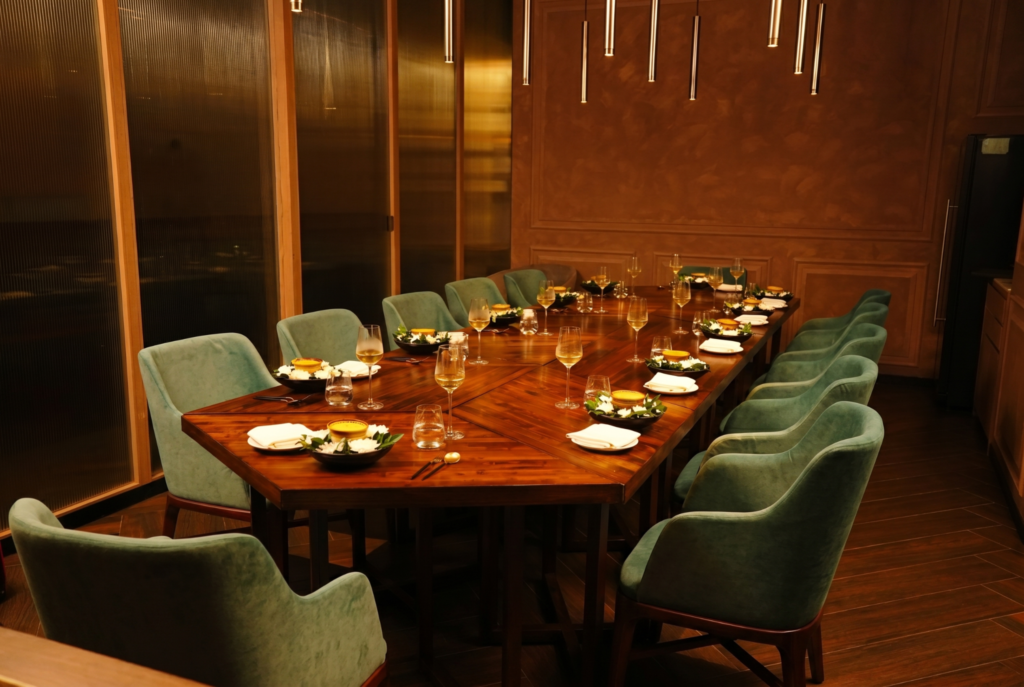
• Trèsind – Mumbai
Known for its theatrical and innovative approach, Trèsind pushes boundaries with rotating tasting menus that reinterpret Indian cuisine using modern techniques and creative presentation.
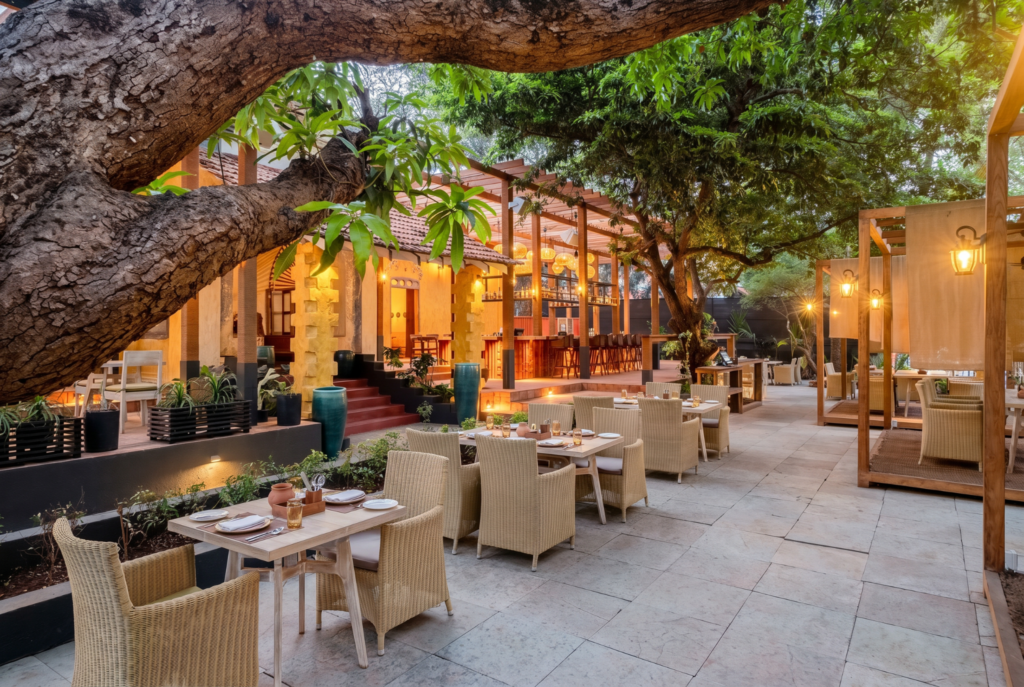
• Maai – Goa
Set in the laid-back environment of Goa, Maai brings a contemporary take on coastal Indian cuisine, blending local flavors with modern finesse in a relaxed yet refined setting.
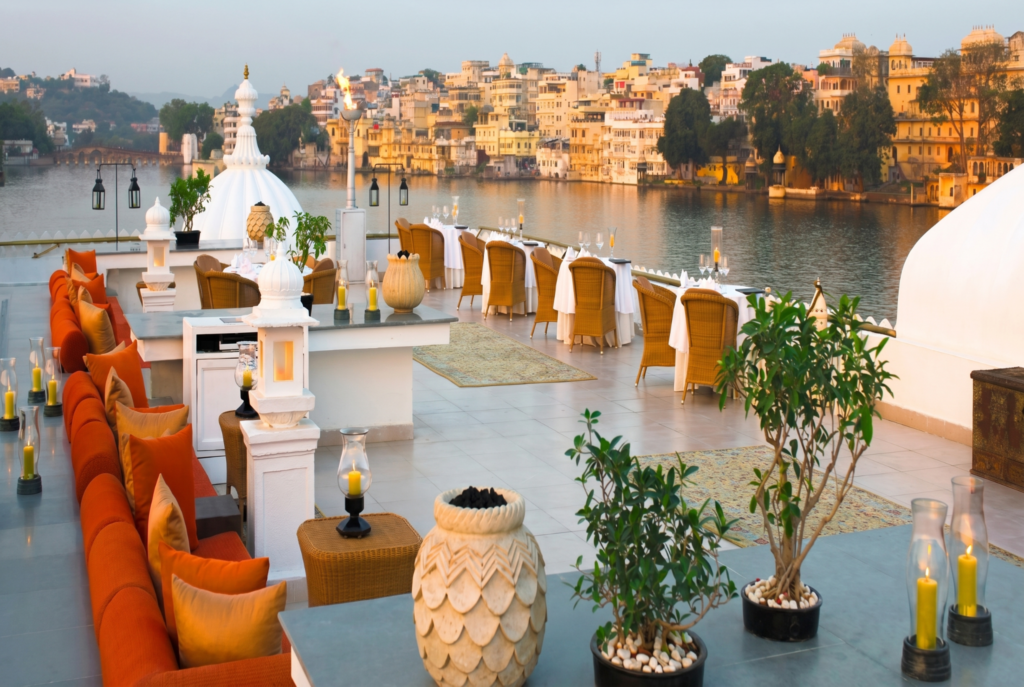
• Bhairo – Udaipur
Located in the regal setting of Udaipur, Bhairo combines heritage, luxury, and fine Indian cuisine, offering one of the most scenic dining experiences in the country with views over Lake Pichola.
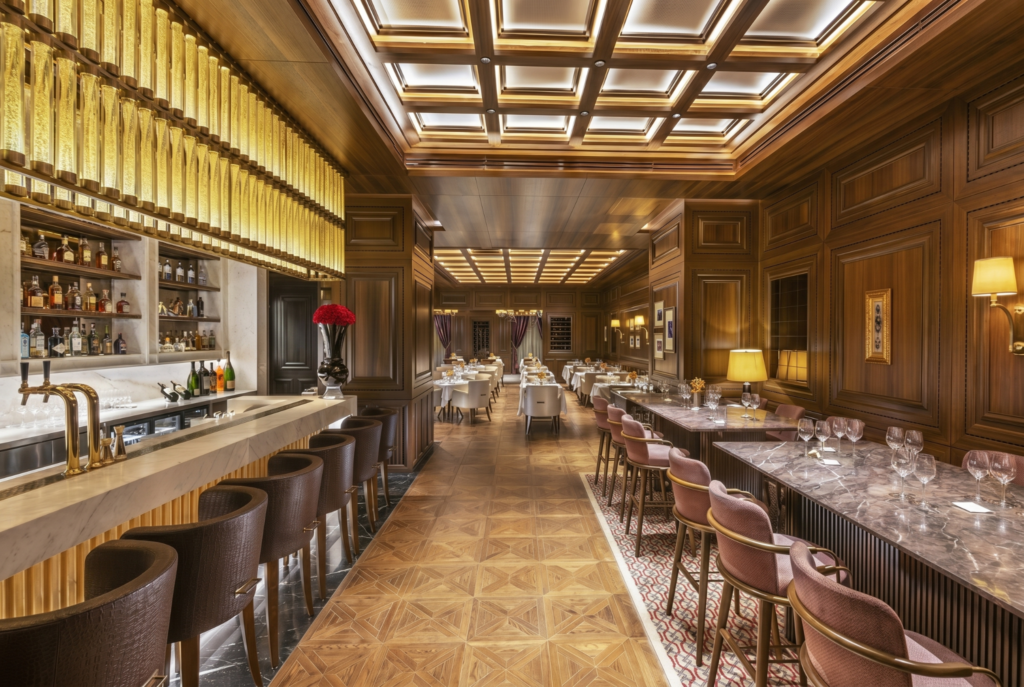
Le Cirque – New Delhi
A symbol of classic luxury, Le Cirque delivers French-Italian elegance, offering a timeless fine-dining experience rooted in global sophistication.
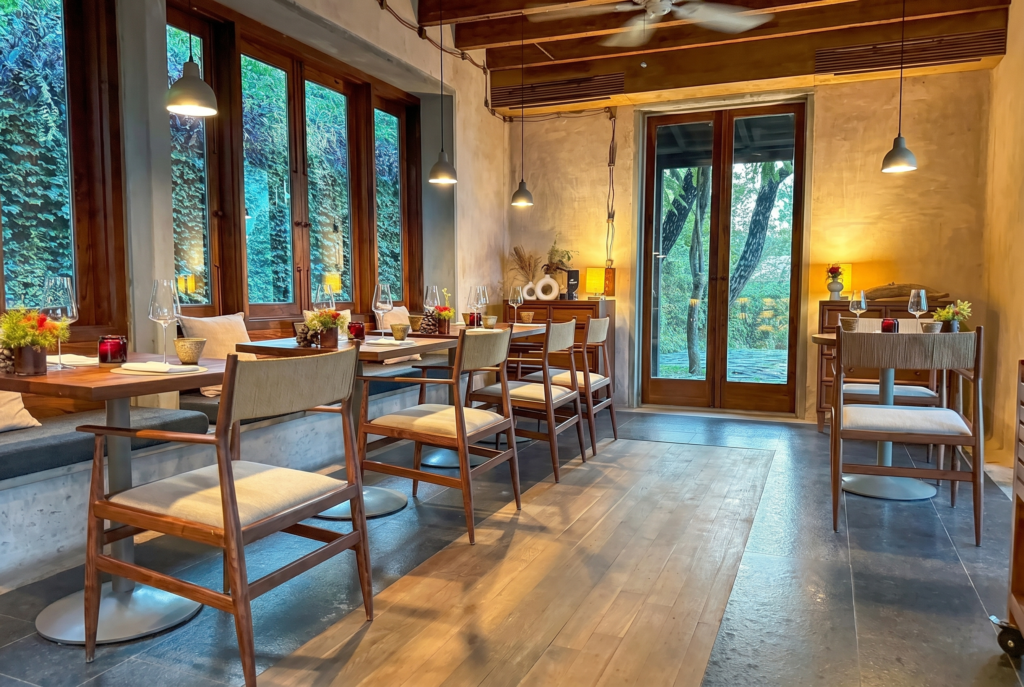
• Naar – Kasauli
A true destination restaurant, Naar is rooted in the Himalayan terroir, focusing on fire-based cooking, local ingredients, and storytelling through food, making it one of the most unique culinary journeys in India.
Why it is so difficult to get a reservation
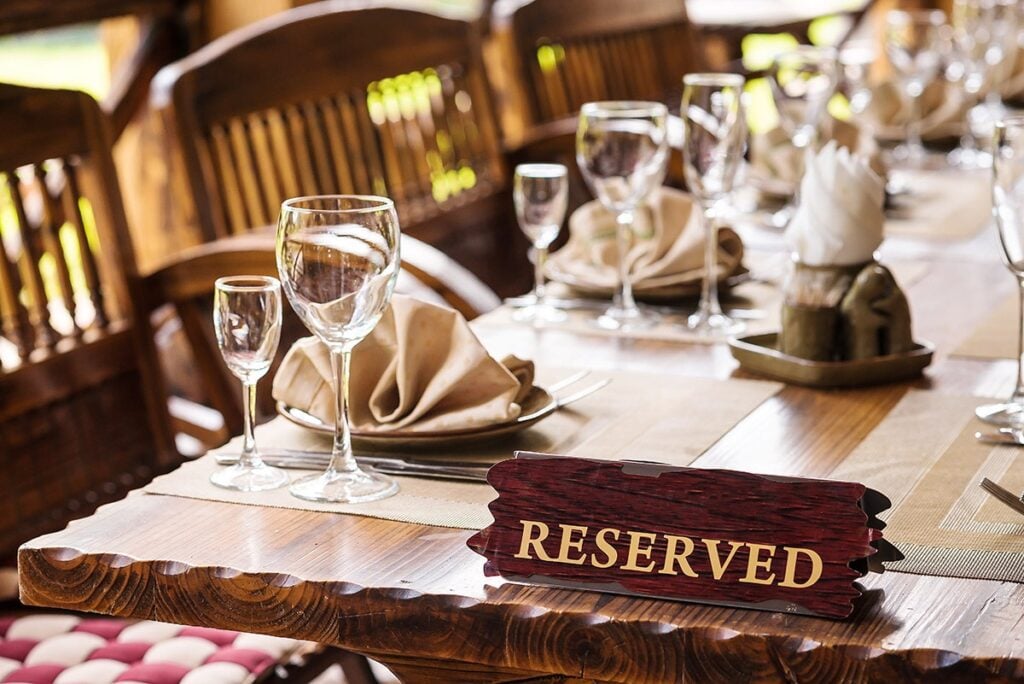
The first reason is simple: many of these restaurants are intentionally small, often operating as reservation-only spaces with fewer than 20 seats. Scarcity is part of the concept, helping create a more intimate atmosphere and allowing restaurateurs to deliver more personal service.
A second reason is exclusivity. In many cases, the difficulty of securing a table becomes part of the appeal. Limited reservations, longer sittings, and curated dining experiences make these restaurants even more desirable. Papa’s, for example, opens bookings only a month in advance and keeps availability extremely limited.
Demand has also surged as diners increasingly seek unique, experience-driven restaurants. Social media has amplified interest in places known for their ambience, design, and immersive concepts, attracting attention far beyond their size.
Finally, reservation systems themselves can be inconsistent. Some famous restaurants are relatively easy to book, while others require multiple calls or remain almost impossible to reach, depending on staffing and reservation management.
What is changing in India’s restaurant industry
India’s restaurant industry is shifting toward smaller, reservation-focused dining concepts with stronger identities and more curated experiences. Restaurants are no longer judged only by food, but also by ambience, design, service, and the overall experience they create.
There is also a growing focus on ingredient-driven and seasonal menus, with restaurants like Masque, Trèsind, and Avartana highlighting local ingredients and evolving tasting experiences. At the same time, technology, cloud kitchens, and delivery-focused models are reshaping operations behind the scenes, making restaurants more digital and data-driven.
Sustainability is becoming increasingly important as well, with diners showing stronger interest in seasonal produce, plant-based options, and more thoughtful sourcing practices.